Pradžia - PRO - Įranga PRO - Keitikliai - Aurora(n) keitiklis
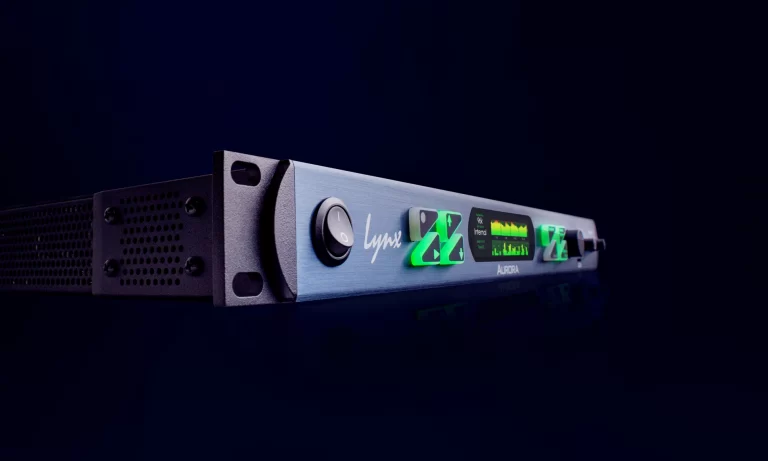
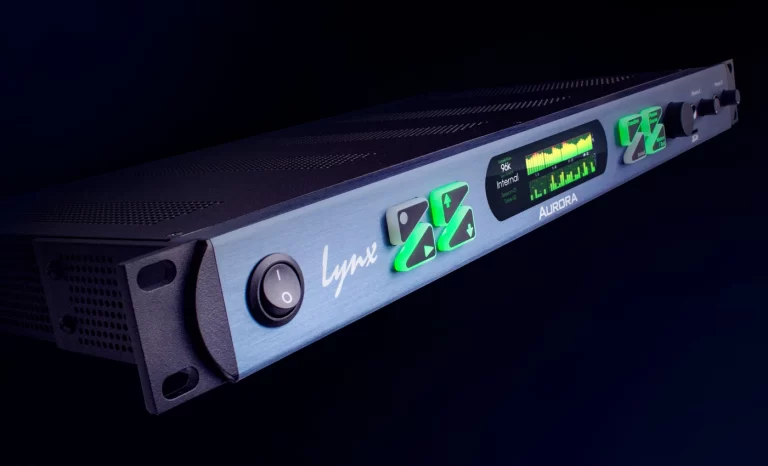
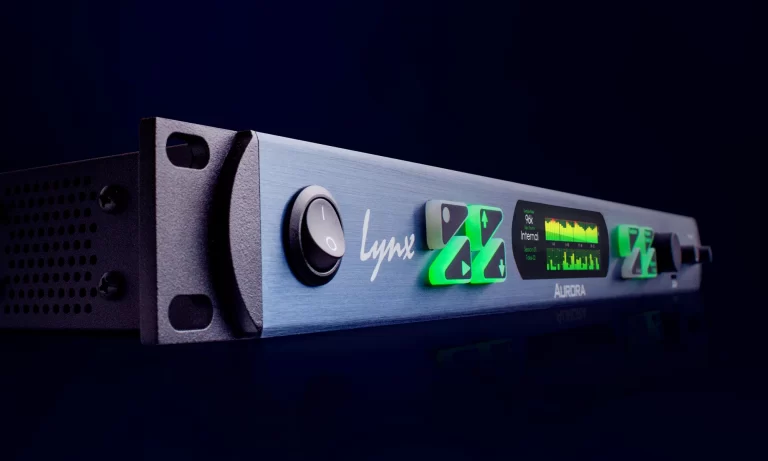

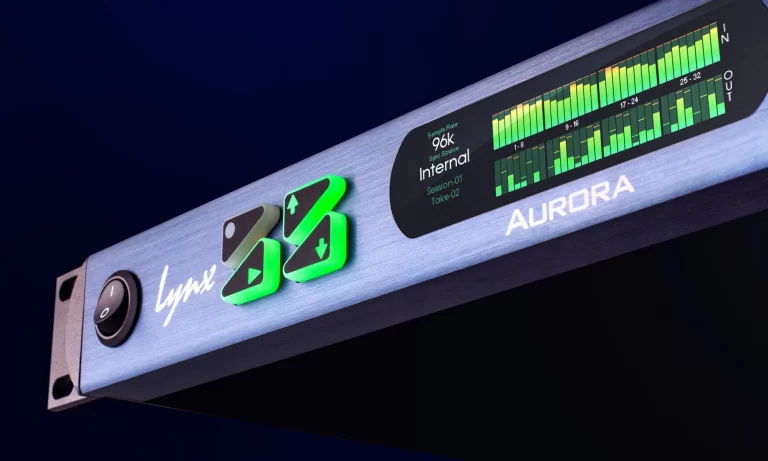


Aurora(n) keitiklis
Discrete Converter Array
Some manufacturers use multiple converters on a single chip. While that is one way to fit many converter channels in a single rack space while lowering costs, it comes at a steep cost in performance. At Lynx, the analog signal path for each channel has been designed as a self-contained and shielded circuit. Each channel pair has its own dedicated conversion device. This has many sonic advantages by significantly reducing crosstalk and distortion while increasing dynamic range and performance.
Line In (includes A/D Conversion)
‐113dB @1kHz, ‐1dBFS, 20kHz filter, +20dBu trim
119dB, A‐weighted, ‐60dBFS signal method
±0.010dB, 20–20kHz
‐130dB maximum @ 1kHz, ‐1dBFS signal
greater than 80dB
+6dBV, 20dBu
Headphone Out (includes D/A Conversion)
‐107dB @1kHz, ‐1dBFS, 20kHz filter, volume at max
120dB, A‐weighted, ‐60dBFS signal method
±0.025dB, 20–20kHz
‐120dB maximum @ 1kHz, ‐1dBFS signal
18.4dBu maximum
Line Out (includes D/A Conversion)
‐108dB @1kHz, ‐1dBFS, 20kHz filter, +20 dBu trim
120dB, A‐weighted, ‐60dBFS signal method
±0.025dB, 20–20kHz
‐130dB maximum @ 1kHz, ‐1dBFS signal
+6dBV, 20dBu
Microphone Input (includes A/D conversion)
-111dB (0.00028%) @1kHz, ‐1dBFS, 20kHz filter @ 21.6dB gain
-129dBu A-weighted, -60dBFS method
116dB A‐weighted, ‐60dBFS signal method @ 21.68dB gain
+0.01 / -0.08dB max. Deviation over 20-20kHz band, -1dBFS @ all gain settings
-127dB max. Adjacent channel, -1dBFS, 1kHz @ 21.6dB gain
75dB min. -1dBFS, 60Hz and 1kHz @61.6dB gain
28.7dBu
2.1k Ohm
5.6dB/13.6dB to 68.6dB in 1dB steps
13.6dB
80Hz, 12 dB / octave
Female XLR on Neutrik jack
HI-Z input
-109dB (0.00035%) 1kHz, -1dBFS, 20kHz filter
-115dBu A-weighted, -60dBFS method
114dB A-weighted, -60dBFS method @ 21.6dB gain
+0.01 / -0.05dB max. Deviation over 20-20kHz band, -1dBFS
-132dB max. Adjacent channel, -1dBFS, 1kHz
14.9dBu @5.6dB gain
1M Ohm unbal. (TS), 2M Ohm bal. (TRS)
5.6dB/13.6dB to 68.6dB in 1dB steps
TRS on Neutrik jack
Line Input (includes A/D conversion)
-113dB (0.00028%) @1kHz, ‐1dBFS, 20kHz filter @ 21.6dB gain
119dB A‐weighted, ‐60dBFS signal method
±0.010 dB max deviation over 20–20kHz
-138dB max. adjacent channel, -1dBFS 1kHz @ 41.6dB gain
75dB min, -1dBFS, 60Hz and 1 kHz @ 61.6dB gain
20dBu
Fixed
Female XLR on Neutrik jack